
Last updated October 15, 2026
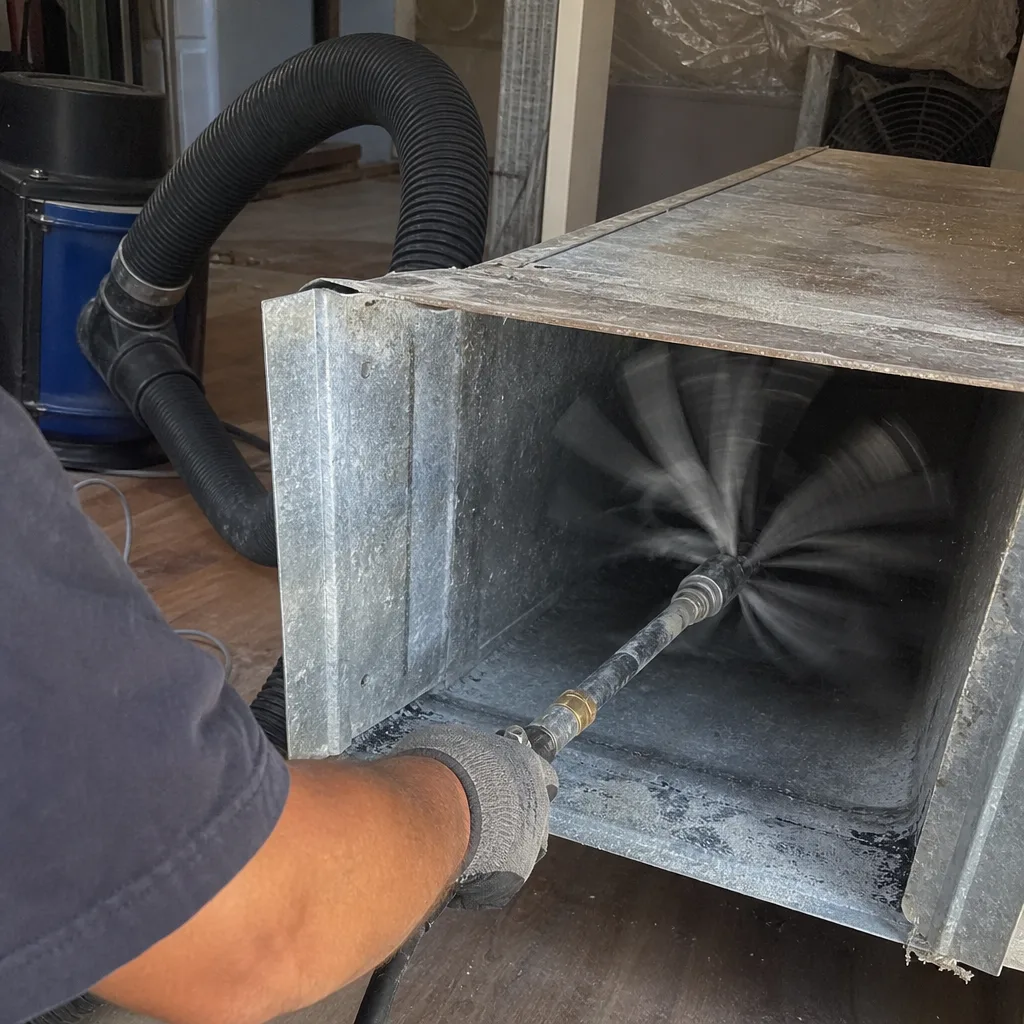
 Whole-home duct cleaning
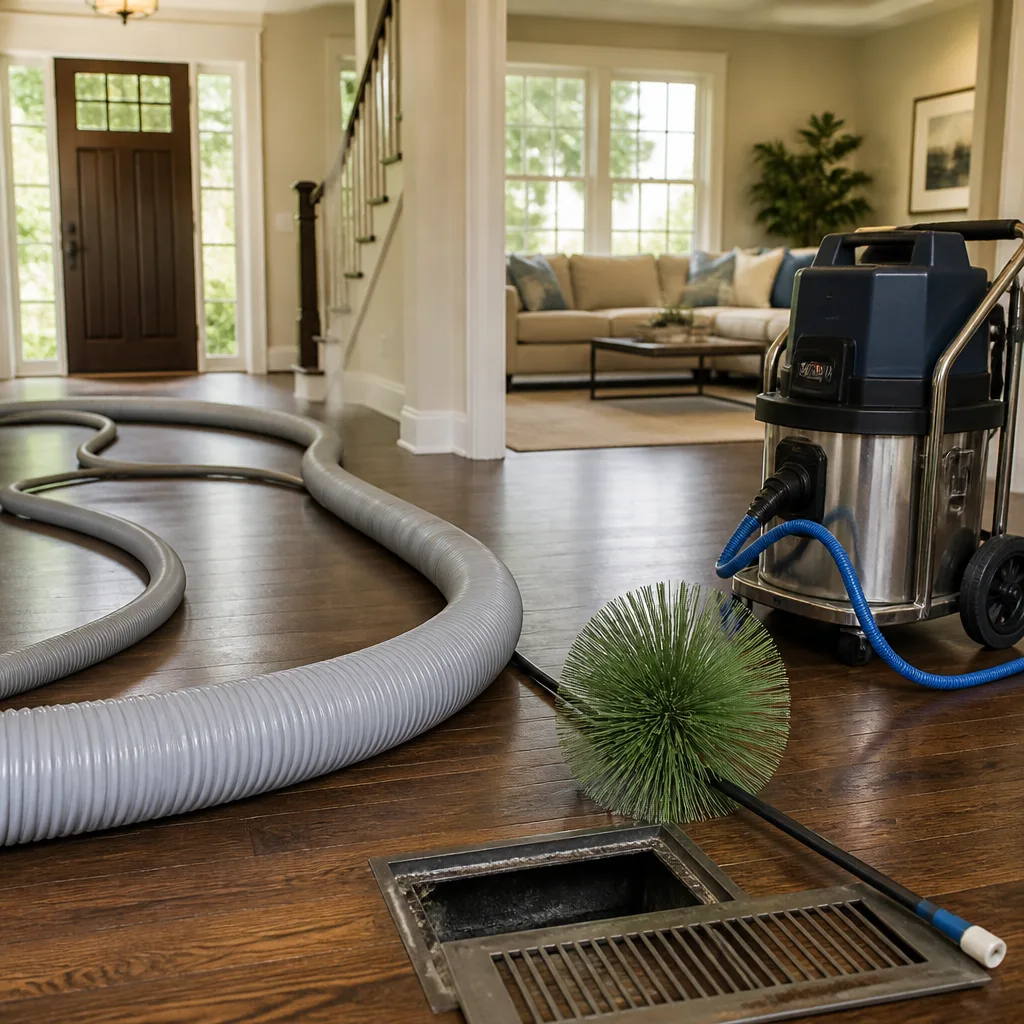
 Dryer vent cleaning
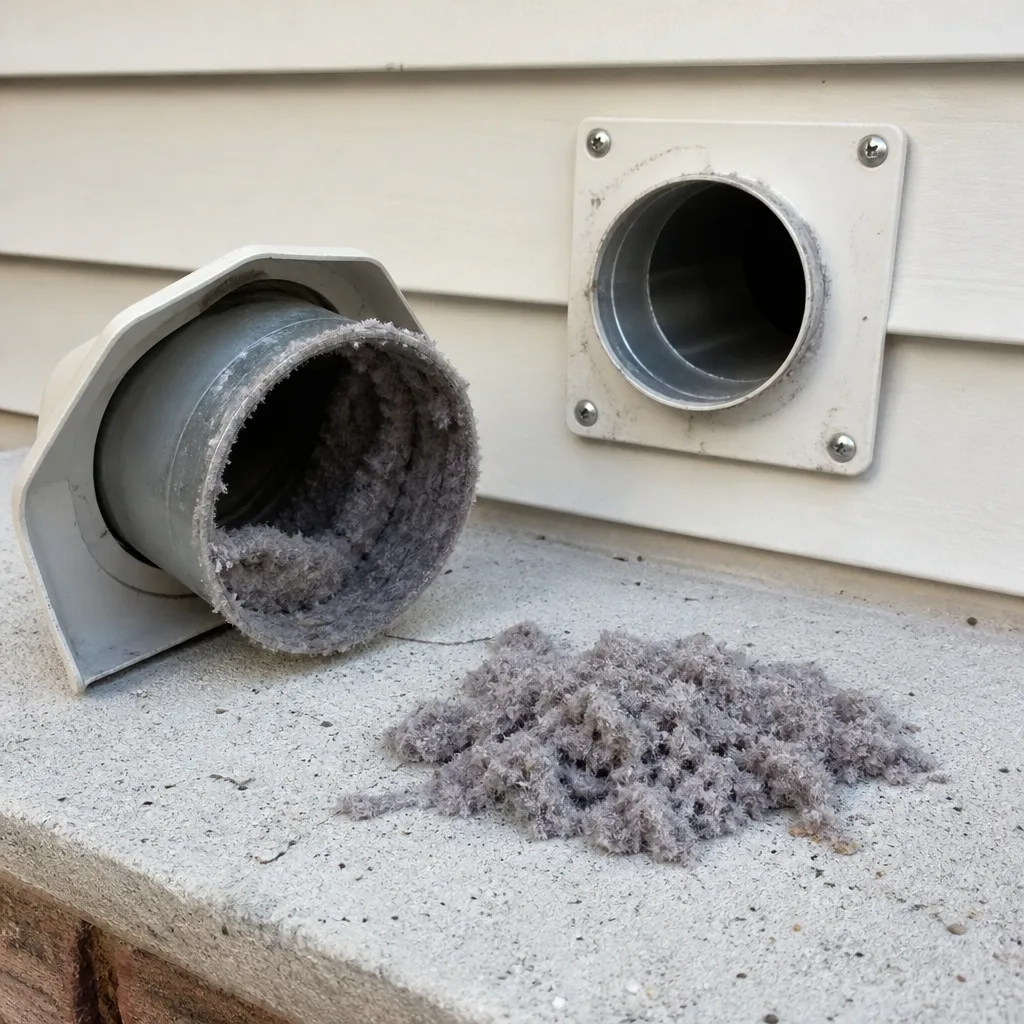
 Camera inspection
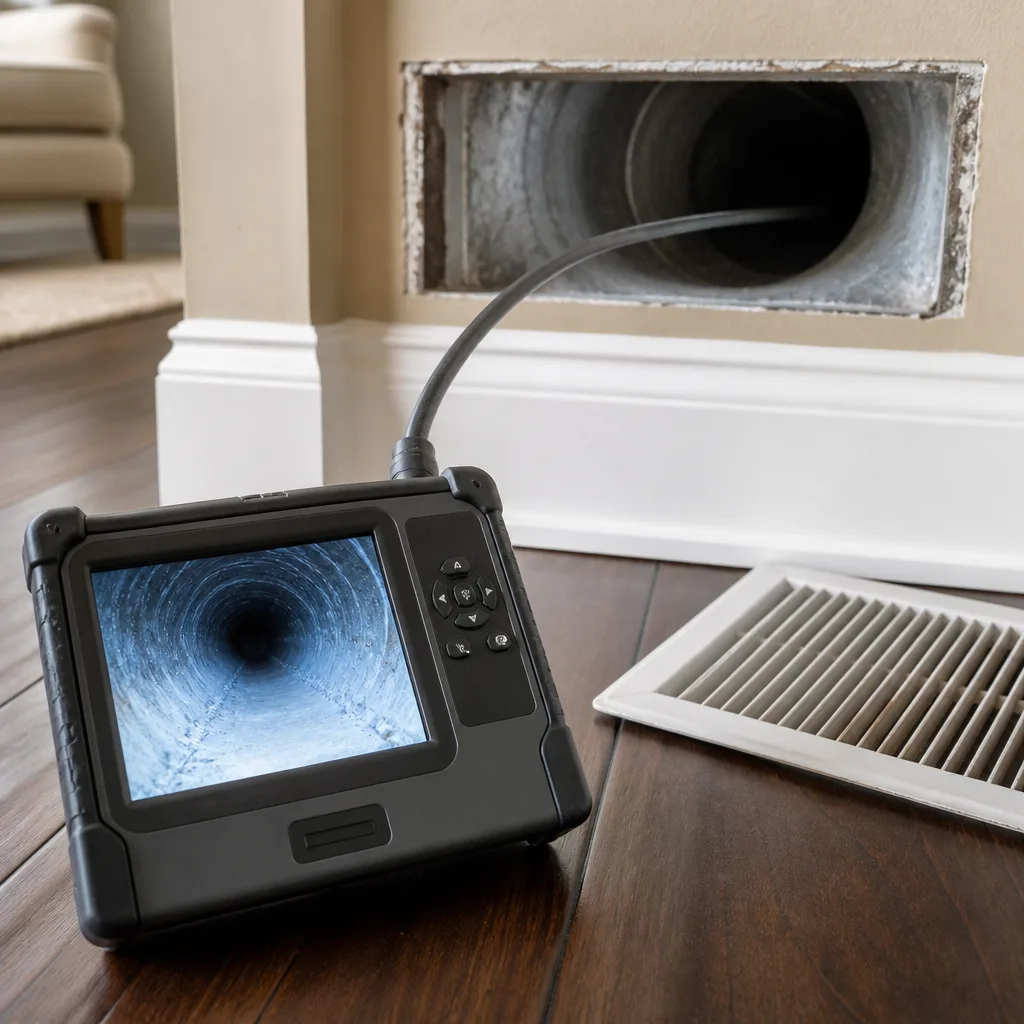
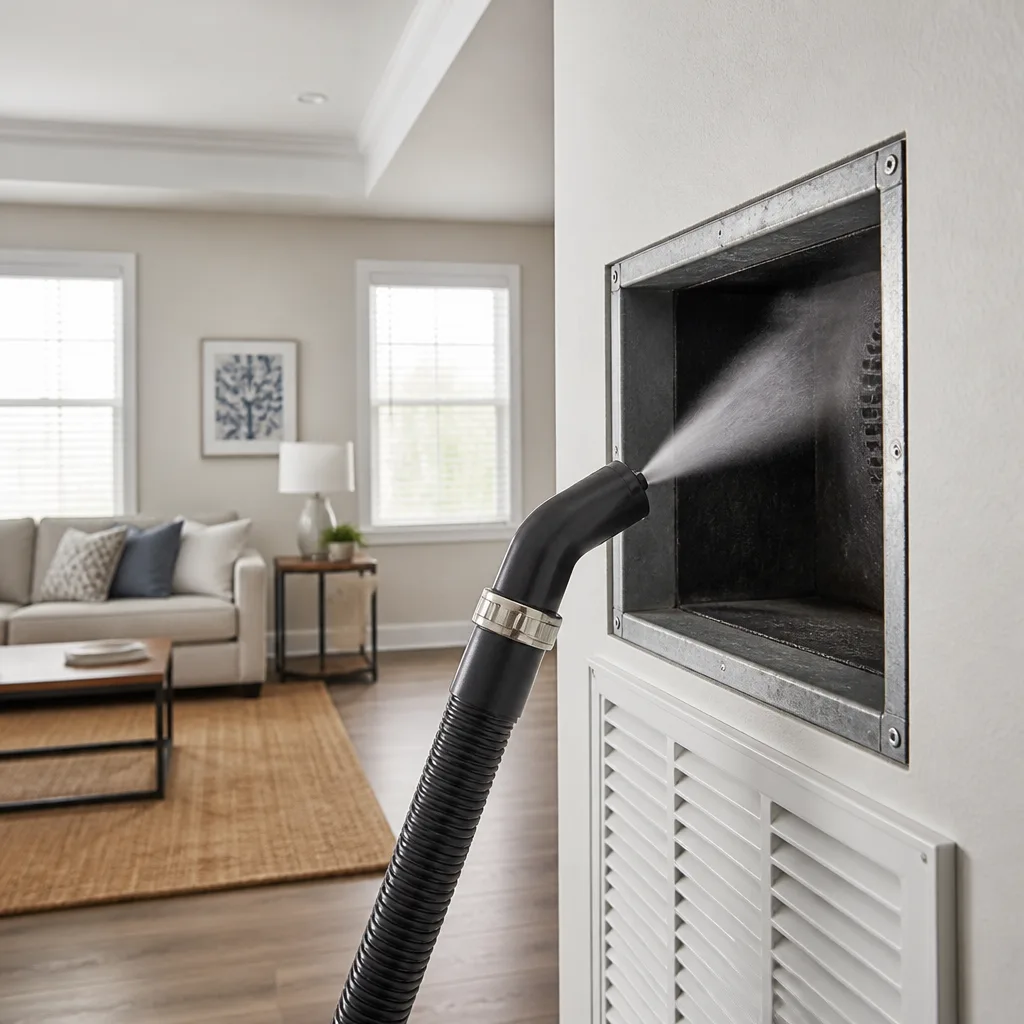 Sanitizing & deodorizing
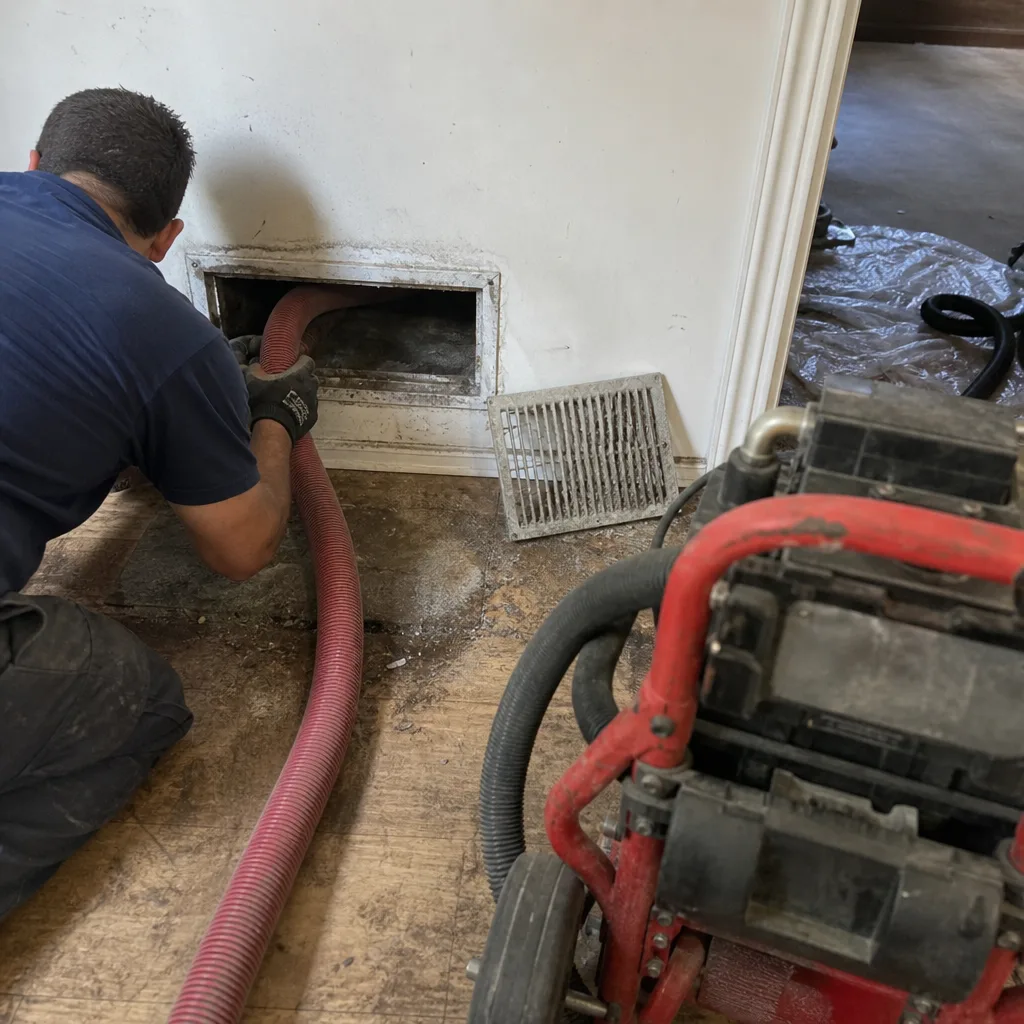
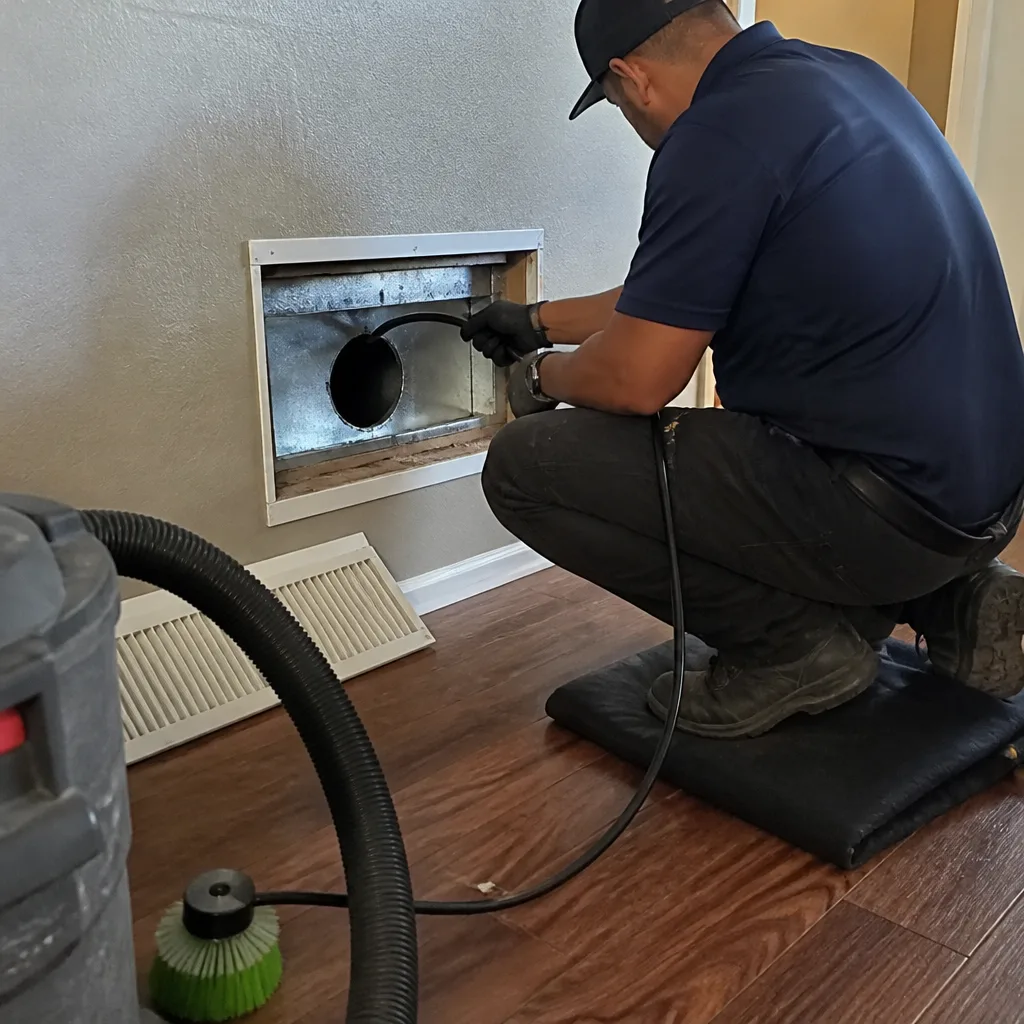
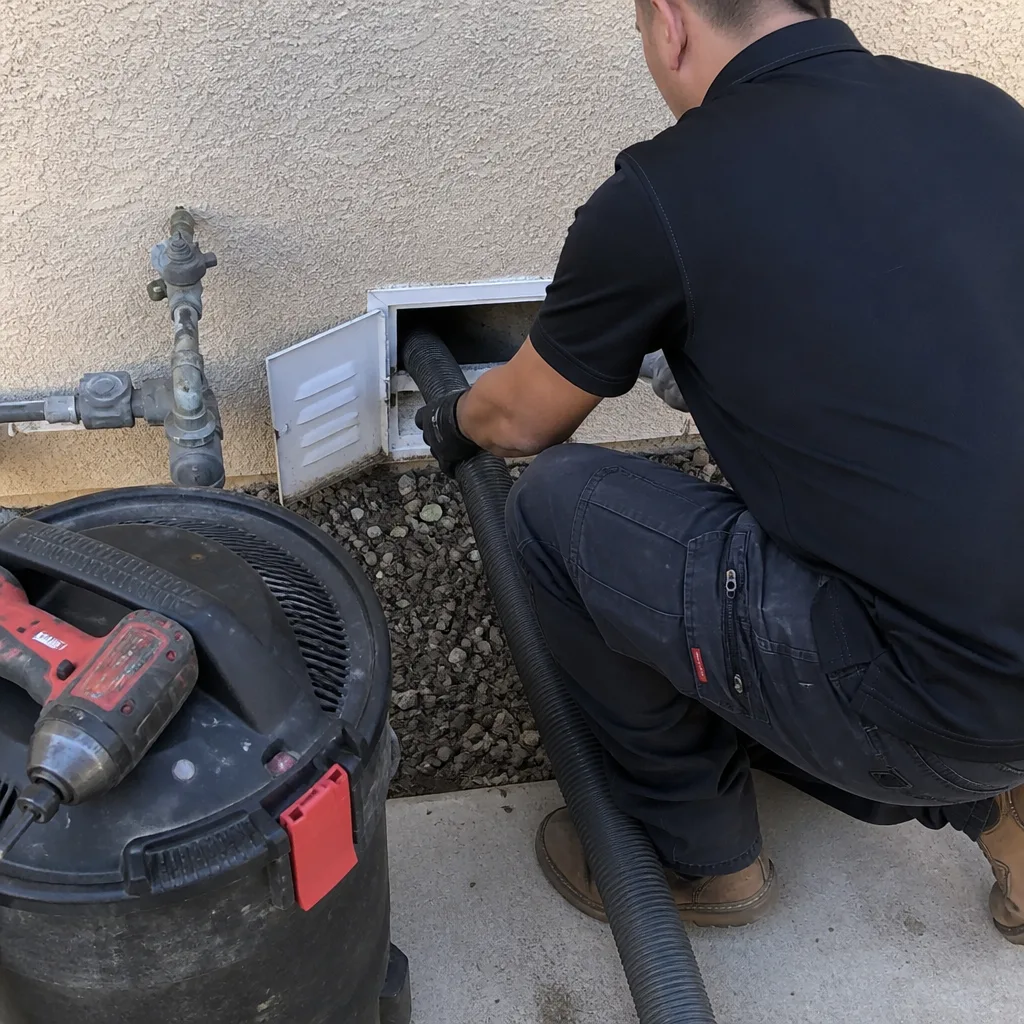
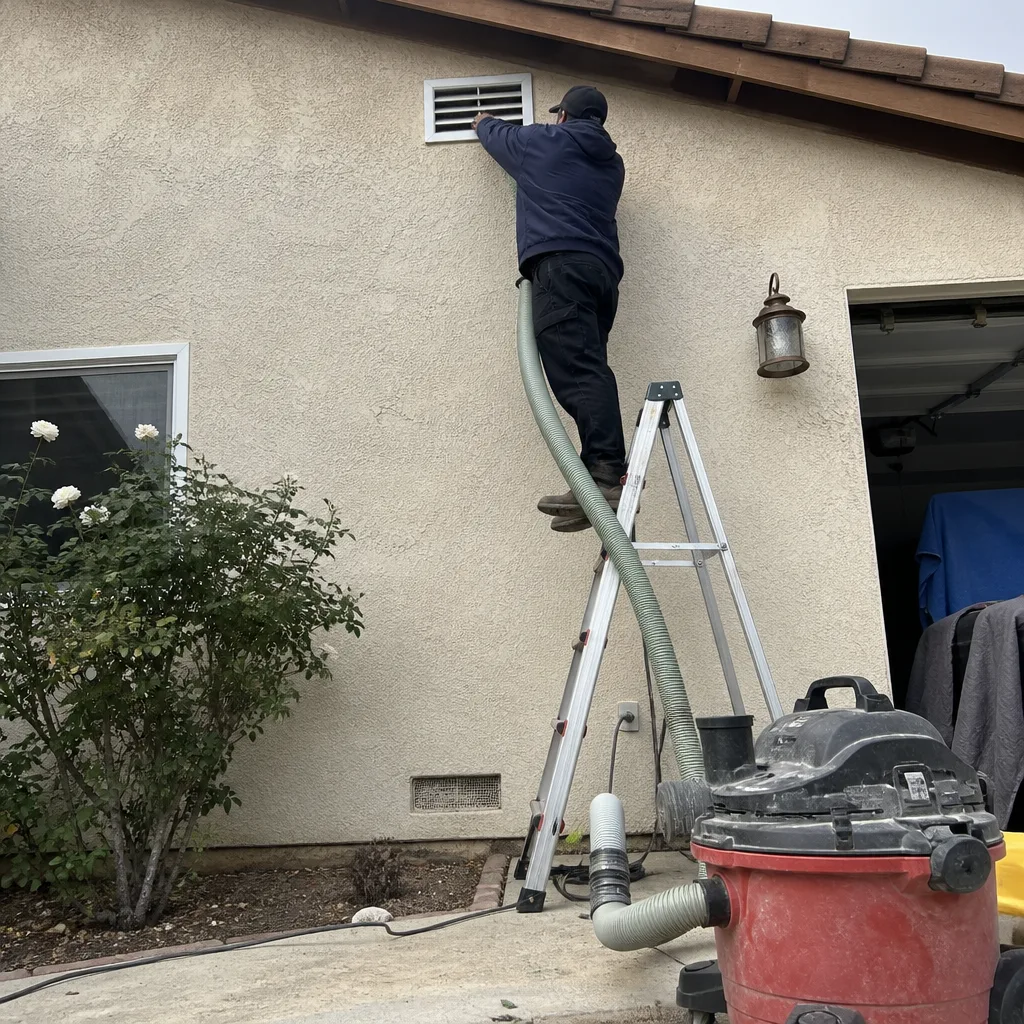
Whole-system duct and dryer vent check with before-and-after photos - you see exactly what came out of your vents
That "$99 whole-house special" is a bait ad - the real number appears once they are in your hallway, or the "clean" is a shop-vac at the register. We photograph the inside of your ducts before and after instead.
Air Duct Cleaning Permits, Codes & Inspections in CA: What You Need to Know
Here’s the surprise most Riverside homeowners don’t see coming: the cleaning itself rarely triggers a permit, but the repairs a good cleaning uncovers often do. California’s Title 24 energy code has quietly become one of the strictest ductwork rulebooks in the country, and it cares far more about what happens *after* the cleaning than during it. In our Complete Guide to Air Duct Cleaning in Riverside, we walk the exact line between cleaning scope and repair scope under the California Mechanical Code, explain what Riverside Building & Safety expects when ducts get modified, and show you how to avoid an unpermitted-work headache when you eventually sell the house.
Styles & brands we work with
Quick Answer
Standard Air Duct Cleaning services in California do not require a permit. However, if the cleaning inspection reveals damaged ducts that need sealing, section replacement, or modification, that repair work may trigger permit requirements under the California Mechanical Code and Title 24 energy standards, especially in Riverside where localized enforcement is active.
Table of Contents
- The Legal Line: Cleaning Scope vs. Repair Scope
- What the California Mechanical Code Actually Says
- Title 24 and Duct Leakage: The Post-Cleaning Catch
- Riverside Building & Safety: What They Enforce
- Unpermitted Duct Work and the Home Sale Problem
- How a Legitimate Contractor Documents the Scope Split
- What Permits Cost and How Long They Take in Riverside
- Common Mistakes to Avoid
- When to Call a Professional
- Frequently Asked Questions
- The Bottom Line
The Legal Line: Cleaning Scope vs. Repair Scope
Air duct cleaning, as defined in California, is a maintenance activity. You are removing accumulated dust, pet dander, and debris from the interior surfaces of existing ductwork. No structural change occurs. No component gets replaced. The system’s design, airflow characteristics, and physical footprint remain identical before and after the service. Because nothing is altered, no permit is required. This holds true whether you’re in Riverside, Sacramento, or San Diego.
Repair work is a different animal entirely. When a technician identifies a collapsed section, a disconnected joint, or a rusted-through return plenum during a cleaning inspection, fixing that issue changes the physical system. The California Mechanical Code classifies duct repair, replacement, and modification as mechanical work subject to permitting when it exceeds minor thresholds. The word minor does a lot of heavy lifting here. Replacing a single six-foot section of flex duct might qualify as minor. Replacing an entire trunk line does not.
The point of confusion for most Riverside homeowners, as we cover in our Air Duct Cleaning Warning Signs: A Riverside Homeowner’s Reference Guide, is that cleaning and repair often happen on the same visit. The cleaning is permitted-free. The repair, depending on scope, may not be. A contractor who blurs this line in the invoice may be doing you a favor on paper, but they’re creating a documentation gap that bites later.
What the California Mechanical Code Actually Says
The California Mechanical Code (CMC), which adopts and amends the Uniform Mechanical Code for use in California, regulates the installation and alteration of HVAC systems. Section 103 of the CMC states that no mechanical system may be erected, constructed, enlarged, altered, repaired, or replaced except as permitted by the code. The word repaired is there. So is altered and replaced.
In practice, local jurisdictions interpret this with common sense. Here’s the practical breakdown we’ve seen play out across Riverside County:
- Cleaning only: No permit. The code does not consider interior surface cleaning a mechanical alteration.
- Replacing a damaged register or grille: No permit. These are finish components, not mechanical parts.
- Sealing accessible duct joints with mastic or tape: No permit, as long as you’re sealing existing connections and not reconfiguring them.
- Replacing a section of flexible duct up to the first fitting: Generally no permit in Riverside, though some inspectors prefer to see it documented.
- Replacing rigid duct, trunk lines, or plenums: Permit required. This is mechanical alteration.
- Adding new duct runs, returns, or supply branches: Permit required. This is new mechanical work.
- Replacing the air handler, furnace, or condenser: Permit required. Equipment replacement falls under the mechanical code.
The distinction comes down to whether the work changes the system’s engineered design. Sealing what exists is maintenance. Rebuilding what exists is construction. The line sits between those two verbs.
Title 24 and Duct Leakage: The Post-Cleaning Catch
This is where California gets stricter than almost any other state. Title 24, Part 6 of the California Energy Code, includes mandatory duct leakage testing requirements whenever ducts are installed, replaced, or significantly modified. If your post-cleaning repair work crosses the threshold from maintenance to modification, the contractor is now legally obligated to verify the duct system meets specific leakage limits. Those limits are measured in cubic feet per minute per square foot of conditioned floor area, and they are not loose suggestions.
For a typical Riverside single-family home, here’s what that means in plain English:
- If new duct sections are added or replaced: The contractor must either perform a duct leakage test and certify the results, or the work must comply with prescriptive sealing requirements under Title 24.
- If the total replaced or new ductwork exceeds 40 feet: A HERS (Home Energy Rating System) rater may need to be involved to verify compliance.
- If the work is done without testing: The permit cannot legally be finalized, which means an open permit lingers on the property record.
An open permit is a quiet problem. It doesn’t bother you until you refinance, sell, or make an insurance claim. Then it becomes a very loud problem. Riverside title companies are increasingly flagging open mechanical permits during escrow, which stalls closings while homeowners scramble to find the original contractor.
The Title 24 angle is also why a legitimate Riverside duct contractor will never casually offer to “just replace that section while we’re here.” Doing it right involves testing, documentation, and a permit. Doing it wrong involves a handshake and a problem you’ll discover years later.
Riverside Building & Safety: What They Enforce
Riverside Building & Safety enforces the California Mechanical Code locally, and their inspectors are familiar with ductwork. Riverside has a substantial stock of homes built between 1950 and 1985, many with original metal duct systems that are now fifty to seventy years old. In our experience cleaning ducts across Air Duct Cleaning in Riverside neighborhoods like the Wood Streets, Canyon Crest, and Mission Grove, we regularly find systems that predate modern sealing standards by decades.
Here’s what Riverside homeowners should know about local enforcement:
- Riverside requires permits for mechanical alterations that exceed the minor-repair threshold. The threshold is not published as a dollar amount. It’s based on scope.
- Riverside inspectors do check for open permits during resale inspections and during any subsequent permitted work on the same system.
- Working without a required permit in Riverside can result in a stop-work order, a fine, and a correction notice that requires bringing the entire system up to current code, not just the section that was modified.
- Riverside’s climate matters here: summer temperatures regularly exceed 100 degrees, and attic duct systems in Riverside can reach 140 degrees or higher. Duct sealing failures in that heat are common, and repair work is frequent. The city sees enough of it that inspectors know what to look for.
The practical takeaway: if a Riverside contractor proposes duct replacement work and says a permit isn’t needed, ask them to put that in writing. Most won’t, because they know it’s not true. The ones who will put it in writing are either extremely confident about the minor-repair exemption or they’re about to learn something about the CMC.
Unpermitted Duct Work and the Home Sale Problem
California’s residential disclosure requirements are strict. When you sell a home in Riverside, you sign a Transfer Disclosure Statement (TDS) that asks, among other things, whether you’re aware of any significant defects, any unpermitted work, or any outstanding permits. Answering no when the answer is yes creates liability. Answering yes when the work exists creates a negotiation problem.
Unpermitted duct modification shows up in three common scenarios during a Riverside home sale:
- The buyer’s home inspector notices it. Trained inspectors can spot newer duct sections, mismatched materials, or fresh mastic on a system that looks otherwise original. They flag it in the report, and the buyer asks questions.
- The buyer’s lender or insurer asks about it. Some lenders now require permits to be closed before funding on homes with evidence of recent mechanical work.
- The city flags it during a retro-inspection. Some Riverside neighborhoods have proactive code enforcement programs, and if a neighboring property triggers an inspection, your property may get a drive-by review.
The cost to correct unpermitted work after the fact is almost always higher than doing it with a permit in the first place. You pay for the permit, plus a penalty that can be double the standard fee, plus whatever corrections the inspector requires to bring the entire system to current code. That last part is the expensive one: if a section of duct was replaced without a permit, the inspector may require a Title 24 leakage test on the entire system, not just the replaced section. A 1970s duct system that leaks 30% could force a full-system remediation before the permit closes.
The 365-day guarantee on any work matters less here than the paper trail. Permits are evidence. Receipts are evidence. Handshakes are not.
How a Legitimate Contractor Documents the Scope Split
Before any cleaning begins in your Riverside home, a contractor who respects the code will describe, in writing, what the visit includes. That description should distinguish between cleaning scope and any recommended repair scope. Here’s what that looks like in practice, step by step:
- The written quote separates cleaning from repairs. Cleaning is one line item. Any recommended duct repair, sealing, or replacement is a separate line item with its own price and its own note about permit requirements.
- The quote states whether the repair work triggers a Riverside permit. If the answer is yes, the quote includes the permit fee as a separate charge you can see.
- Post-cleaning photos document condition. A legitimate contractor photographs the ducts before and after cleaning, including any damage found. These photos become your evidence if questions arise later.
- The final invoice matches the quote. If the scope changed during the visit, the invoice reflects that change in writing, not verbally.
- Permit documents are provided if applicable. You should receive the permit number, the inspecting agency, and the status of the inspection when the work is done.
We follow this process on every visit because we’ve watched homeowners in Riverside deal with the alternative. We use professional-grade equipment from brands like Rotobrush and Nikro to do the cleaning itself, and we document everything before and after. The camera footage of the ducts pre- and post-cleaning is yours to keep. When damage is found, we show it to you on the screen before we ever quote a repair. There’s no mystery, and there’s no scope creep hiding inside a handshake.
What Permits Cost and How Long They Take in Riverside
Riverside permit fees for mechanical work are based on the valuation of the work. For a typical duct section replacement or sealing project, the mechanical permit fee in Riverside generally falls in a range many homeowners find reasonable, though the total cost depends on inspection requirements and whether a HERS rater is required for Title 24 compliance testing.
Here’s a realistic timeline for a permitted duct repair in Riverside:
- Day 1-3: Contractor files the permit application with Riverside Building & Safety. Simple mechanical permits often process quickly, but complex scope or Title 24 testing requirements can add review time.
- Day 4-10: Permit is issued. Work is scheduled.
- Day 11-14: Repair work is completed. Rough inspection is scheduled if required.
- Day 15-21: Final inspection occurs. If Title 24 duct leakage testing is required, the HERS rater performs the test and submits results before the final inspection can be approved.
- Day 22-30: Permit is finalized and closed.
The timeline stretches when testing is involved. Title 24 testing in Riverside typically adds several days to a week because the HERS rater operates on their own schedule. If you’re planning to sell soon and know duct work needs to be done, start early. Permits do not rush.
Common Mistakes to Avoid
- Letting the contractor talk you out of a permit for work that clearly needs one. The savings is temporary. The correction cost is not. If the scope includes new duct sections or equipment replacement, a permit is required, full stop.
- Accepting a verbal quote with no written scope. Without a written scope split between cleaning and repair, you have no evidence of what was agreed to. In Riverside, where unpermitted duct work is a known resale issue, that evidence gap is expensive.
- Assuming the cleaning company can also do the repair without asking about permits. Cleaning and repair are different skill sets with different legal requirements. Ask the company whether their repair scope requires a Riverside permit, and get the answer in writing.
- Ignoring the Title 24 testing requirement. If your repair work triggers leakage testing and you skip it, the permit stays open. An open permit in Riverside will surface during escrow.
- Paying cash for unpermitted work to save the permit fee. The fee you save is a fraction of the cost of retroactive permitting, penalties, and potential system-wide corrections under current code.
- Not keeping photos and receipts. If you ever need to prove the work was done and done correctly, photos of the ducts before and after, plus the contractor’s invoice and any permit documents, are your defense package.
When to Call a Professional
Call a professional when the ducts have not been inspected in years and you don’t know what condition they’re in. Call when you notice rooms that never heat or cool properly, when you hear rattling from the vents, or when your energy bills climb without explanation. Call when you see visible dust blowing from registers or when rooms smell musty every time the system runs. And call when you’re planning to sell a Riverside home and want the duct system documented as clean and code-compliant before the buyer’s inspector starts asking questions. See our more guides & resources for additional homeowner tips. Mortons Air Duct Riverside offers free estimates in Riverside – call (350) 240-5513.
Frequently Asked Questions
No. Air duct cleaning is classified as maintenance, not construction. The California Mechanical Code does not require a permit for cleaning the interior surfaces of existing ductwork.
Replacing rigid duct sections, trunk lines, or plenums requires a mechanical permit through Riverside Building & Safety. Replacing entire components or adding new duct runs also triggers the permit requirement, along with potential Title 24 duct leakage testing.
No. Title 24 applies to duct installation, replacement, and significant modification, not to cleaning. The code cares about the system’s energy performance, and cleaning does not change that performance.
Ask. A legitimate contractor will list the permit as a separate line item and tell you which agency issues it. If they hesitate, evade, or say the permit isn’t needed for scope that clearly includes new duct sections, get a second opinion from another Riverside contractor.
You risk escrow delays, reduced sale price, or a failed sale. Riverside title companies flag open mechanical permits, and buyers’ inspectors look for evidence of recent duct modification. Retroactive permitting costs more than doing it right the first time. Call (350) 240-5513 for an exact quote on any duct work your home needs before you list.
We handle both, with a clear written split between the two scopes on every quote. If repair work is recommended, we tell you whether it triggers a Riverside permit and include any required permit fees in the written price before any work begins. Cleaning-only visits never include surprise repair charges.
The Bottom Line
The rule is simple once you see the line: cleaning is not construction, so no permit is required. What happens after the cleaning – the sealing, the section replacements, the modifications a thorough inspection reveals – is where California’s Mechanical Code and Title 24 energy standards step in. In Riverside, that line is enforced. Knowing where it sits before the work starts keeps you out of escrow purgatory and code enforcement trouble. For duct cleaning or a written, permit-transparent quote on any repair scope, call Mortons Air Duct Riverside home at (350) 240-5513. We’ll tell you what the job needs, what it costs, and whether a permit is part of the picture. For dryer vent service too, see our Dryer Vent Cleaning in Riverside page.
Written by Paul Adeyemi, Owner at Mortons Air Duct Riverside, serving Riverside since 2005.
See the difference
 Before
 After
After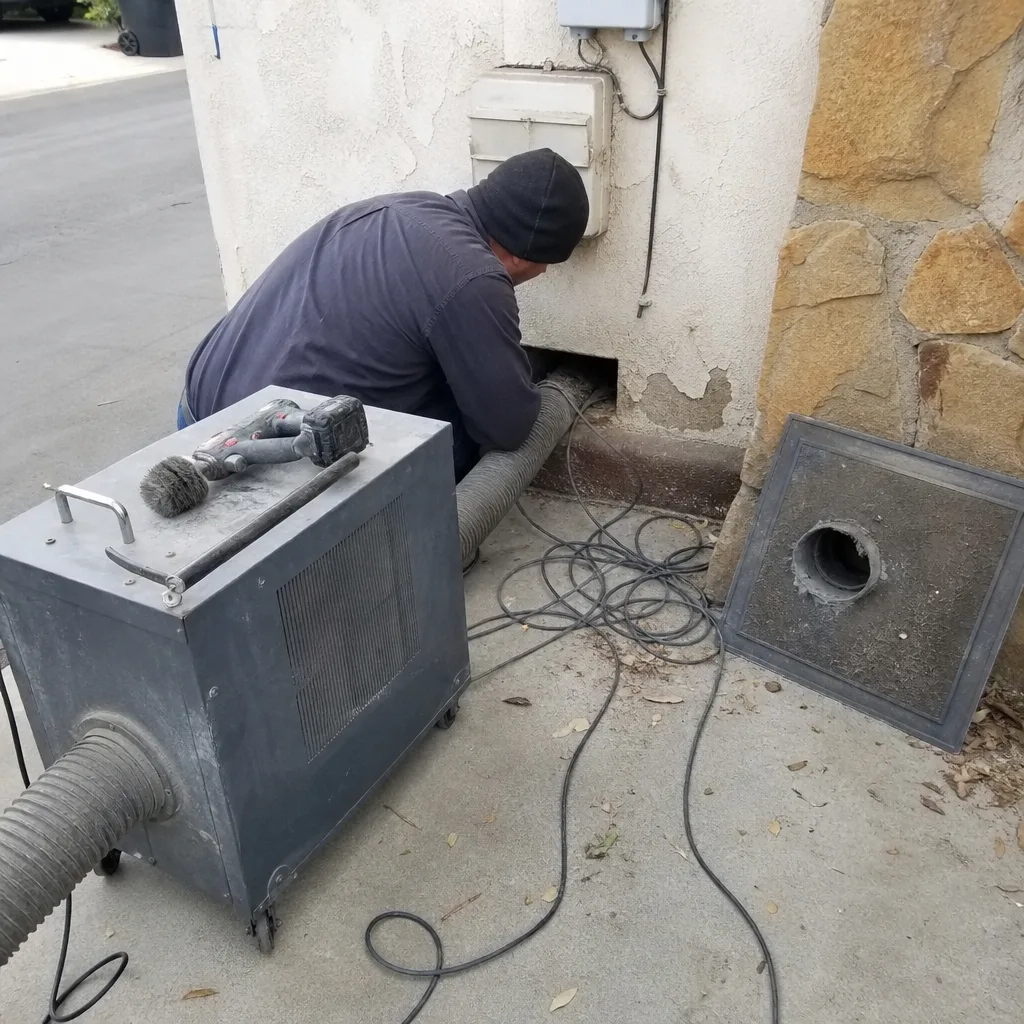 Before
 After
After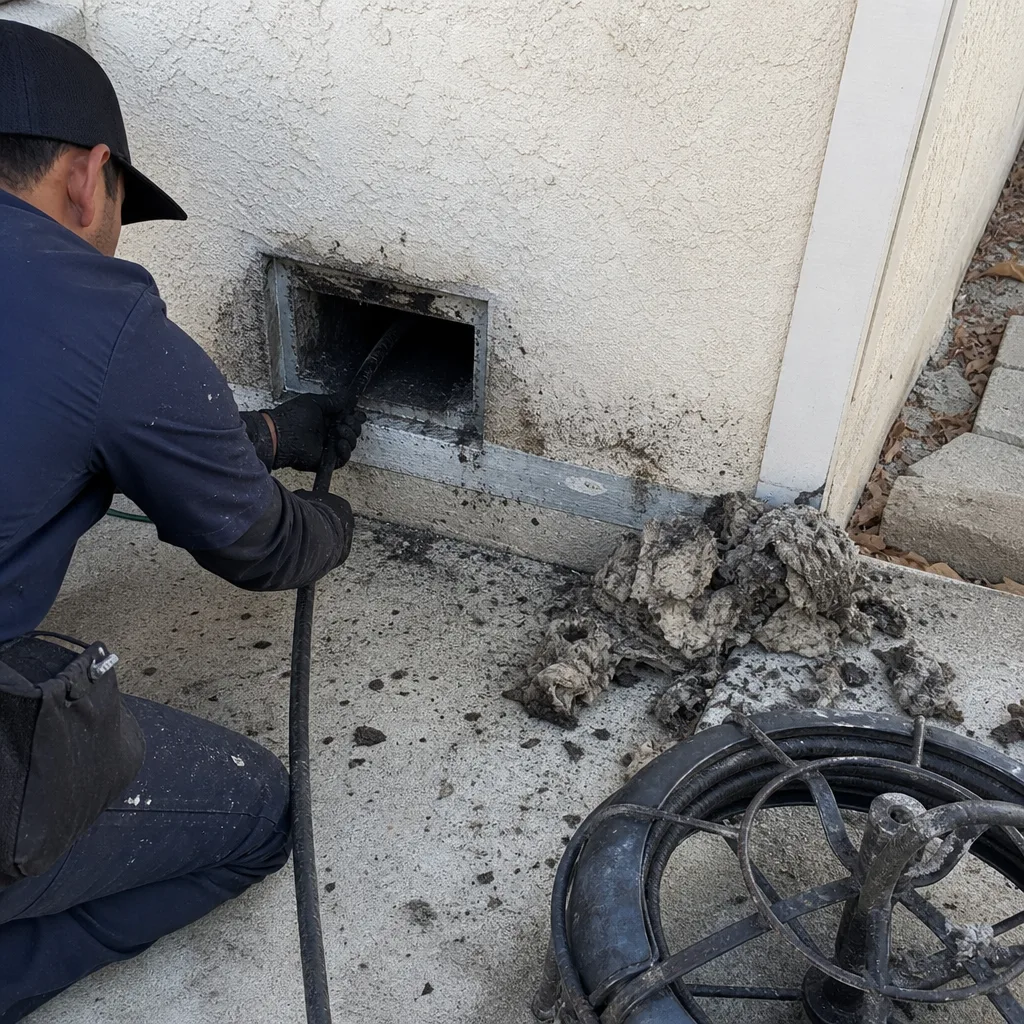 Before
 After
After