
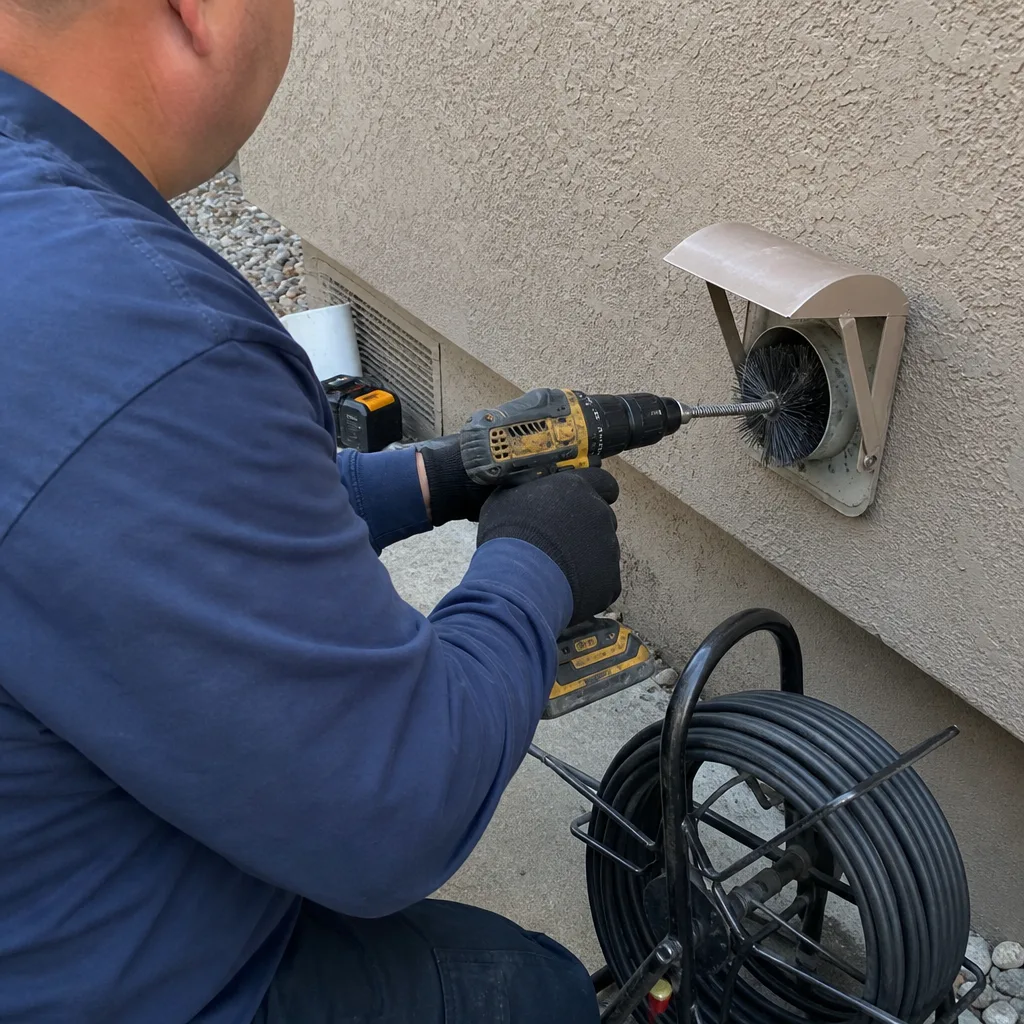
Last updated October 15, 2026
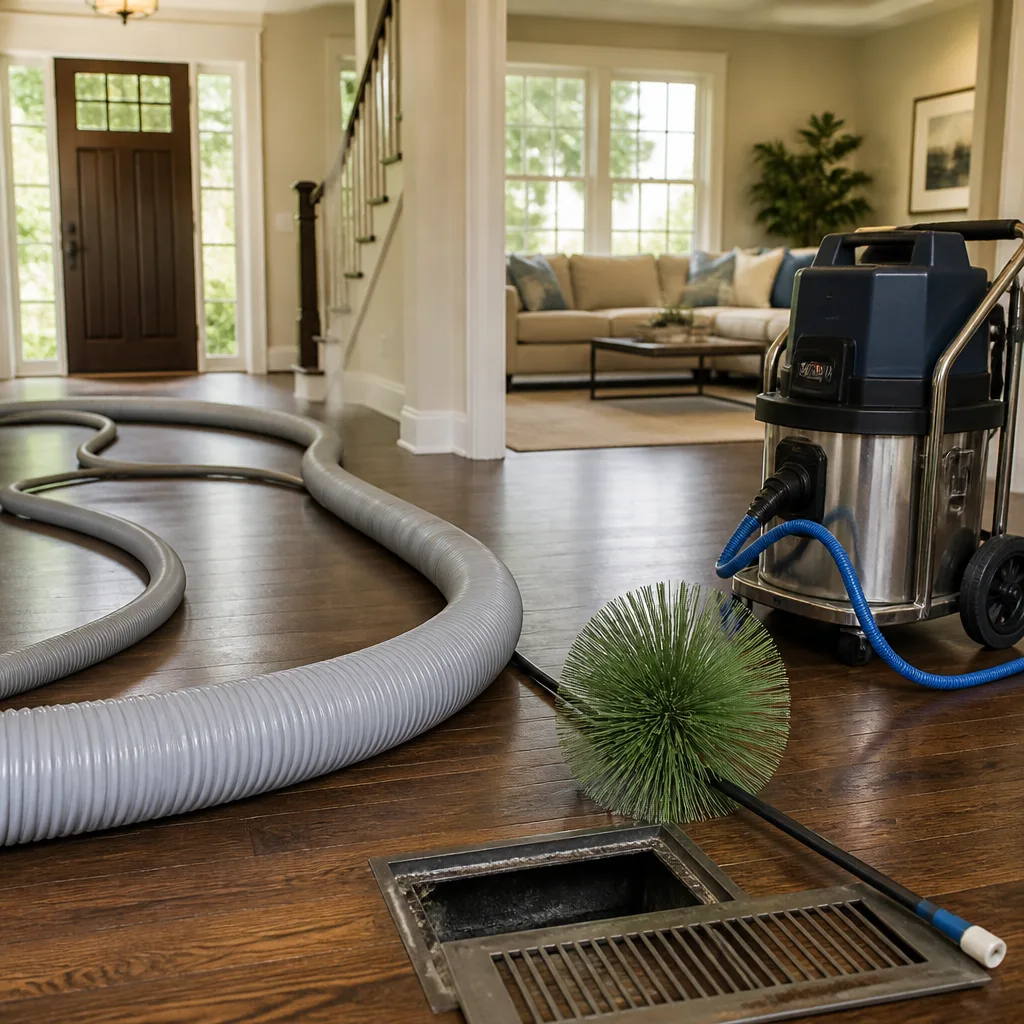 Whole-home duct cleaning
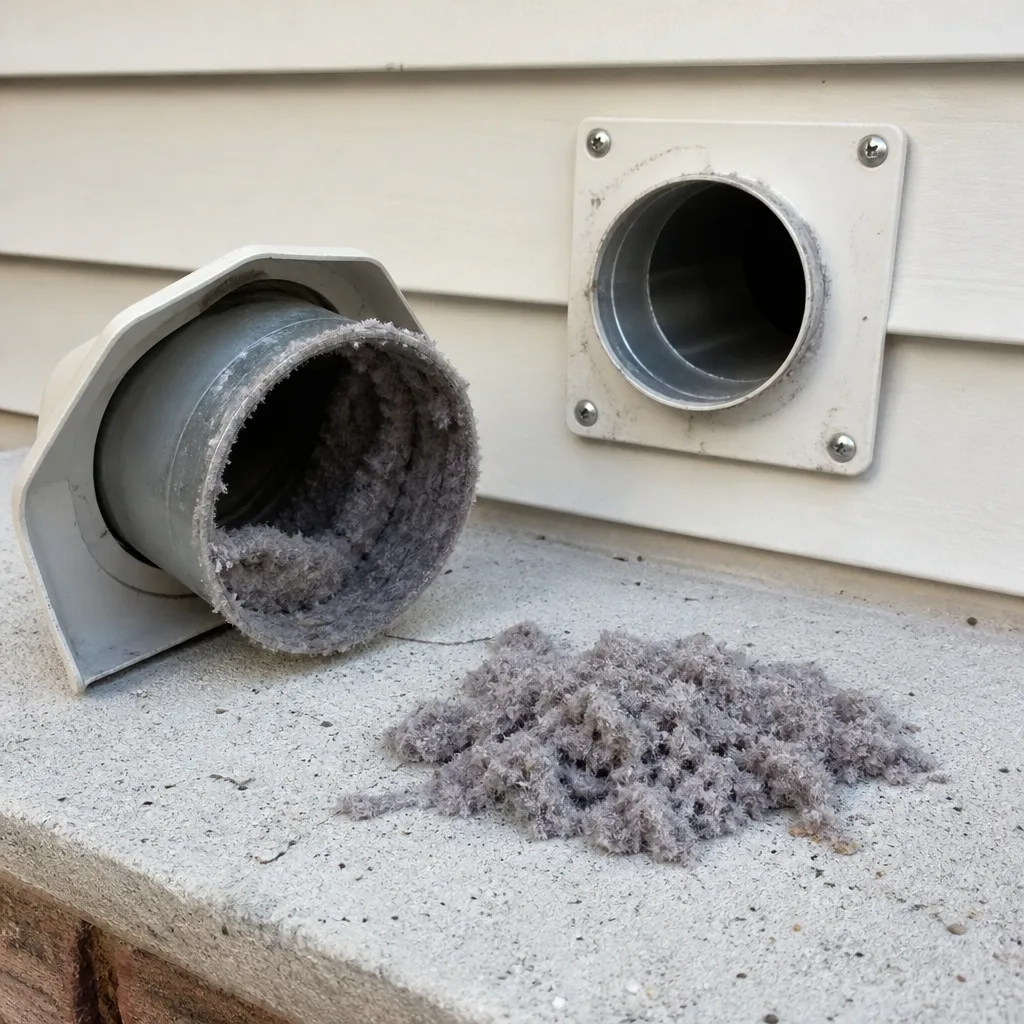 Dryer vent cleaning
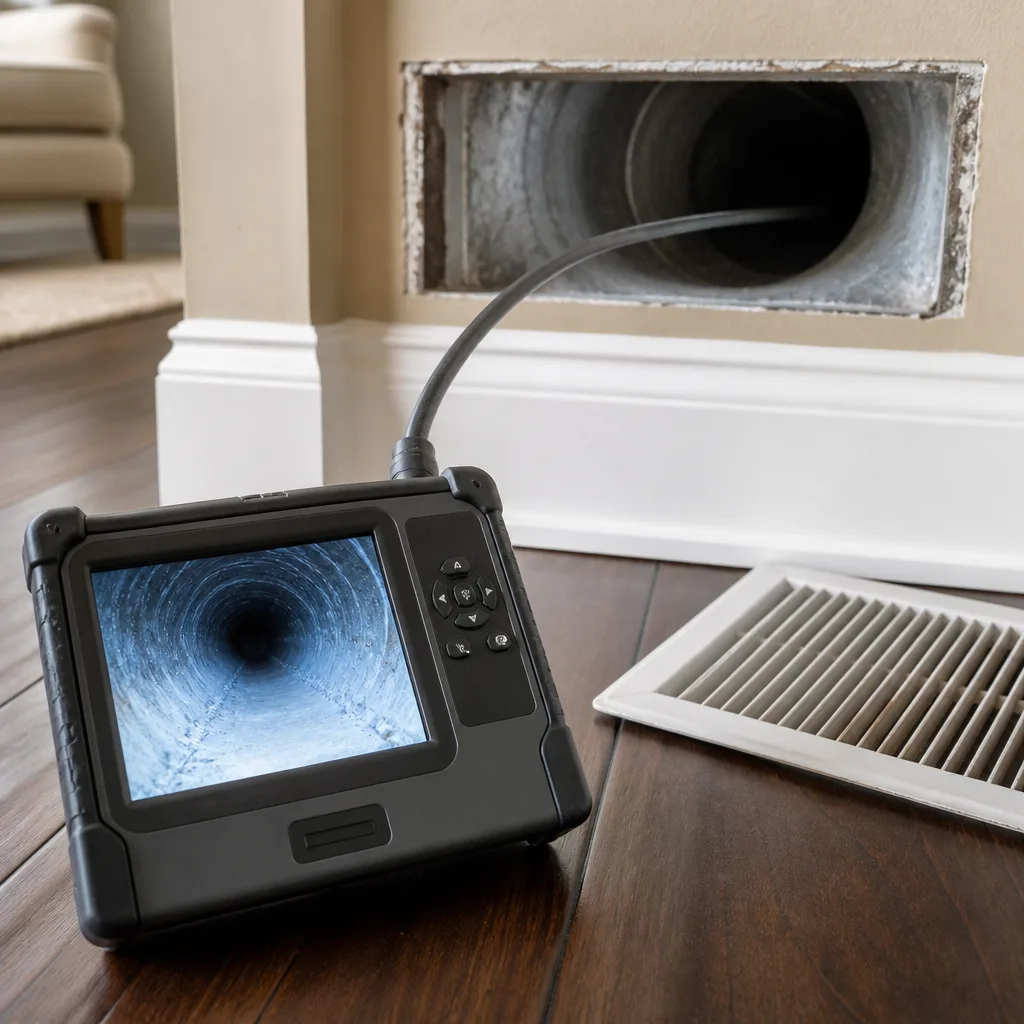 Camera inspection
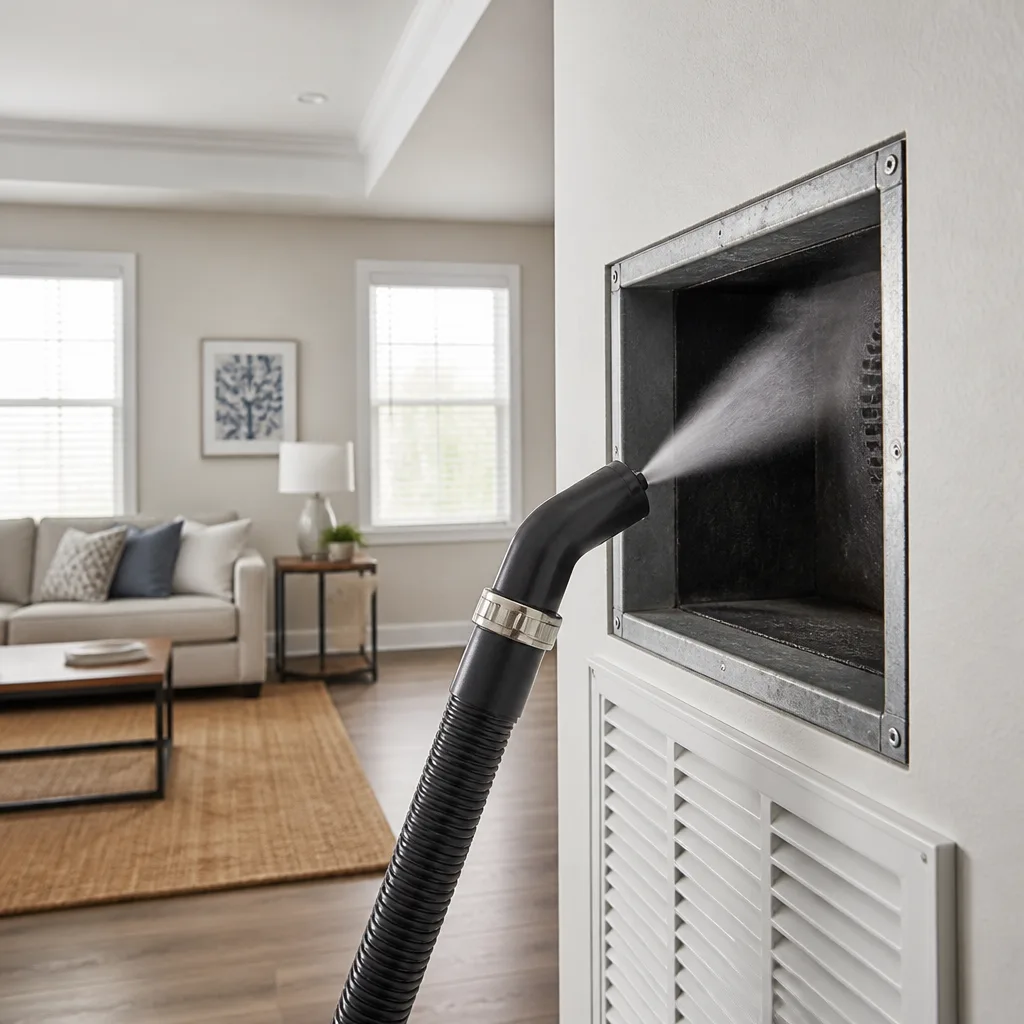 Sanitizing & deodorizing
Whole-system duct and dryer vent check with before-and-after photos - you see exactly what came out of your vents
That "$99 whole-house special" is a bait ad - the real number appears once they are in your hallway, or the "clean" is a shop-vac at the register. We photograph the inside of your ducts before and after instead.
Air Duct Cleaning Warning Signs: A Riverside Homeowner’s Reference Guide
Visible dust on a register face is a lagging indicator. By the time you can see buildup on a vent cover, the ductwork upstream has likely been accumulating debris for months. The earlier warning signs are subtler, and most of them happen at nose level and energy-bill level, not eye level. This guide names the specific signals Riverside homeowners overlook and explains what each one is likely pointing to inside the system. You’ll learn which signs are urgent, which are routine, and when a professional look at your Mortons Air Duct Riverside home makes sense.
Quick Answer
The most reliable early warning signs that your air ducts need cleaning in Riverside are: a musty or burning-dust smell when the system first starts, uneven temperatures between rooms, an energy bill that creeps up without a clear reason, and family allergy symptoms that worsen at home. Any two of these together usually means the ductwork has accumulated enough debris to matter. A professional inspection and air duct cleaning in Riverside typically resolves all four.
Styles & brands we work with
Table of Contents
- The Smell-Based Warning Signs Most Homeowners Dismiss
- Energy Bill Creep: What Restricted Airflow Looks Like
- Uneven Room Temperatures: Duct Blockage vs. Equipment Issues
- Allergy and Asthma Symptoms That Point to Return-Air Ducts
- Dryer Vent Warning Signs That Parallel HVAC Duct Issues
- Visible Signs You Shouldn’t Ignore
- How Often Riverside Homes Really Need Duct Cleaning
- What a Proper Duct Cleaning Should Include
The Smell-Based Warning Signs Most Homeowners Dismiss
Smell is the earliest and most reliable duct warning sign, yet it’s the one homeowners most often rationalize away. Riverside’s dry climate and Santa Ana winds bring dust through open windows seasonally, so a faint mustiness can be easy to write off as “just the house.” But the pattern of the smell tells you whether it’s coming from the ducts or from somewhere else.
Three specific smell patterns to pay attention to:
- Musty smell on first startup. When the HVAC system kicks on after being idle, and you catch a brief wave of musty or damp-smelling air, that’s often microbial growth or accumulated moisture in the ductwork or the condensate pan. It fades as air circulates, which is why people dismiss it. But if it returns every time the system starts after a rest period, the source is inside the system, not in the room.
- Burning-dust smell that fades. When a furnace or heat pump runs its first heating cycle of the season, accumulated dust on the heat exchanger burns off. A brief dusty or faintly burnt smell is normal. But if that smell returns every time the heat cycles on, or if it lingers for more than a few minutes, the amount of debris in the system is beyond what a seasonal burn-off should produce.
- Pet odor from the vents rather than the pet. Riverside households with dogs or cats often notice that the house smells like pet even right after the pet has been bathed. When pet dander, hair, and oils get pulled into the return ducts and held there, the system recirculates that scent through every room, every time the fan runs. The smell seems to come from everywhere because, in effect, it does.
We’ve seen this pattern in homes across Riverside: a family gets used to a smell because it builds gradually, and it’s only after a duct cleaning that they realize how much of it was coming from the system. In our experience, a Rotobrush or Nikro-powered Air Duct Cleaning service removes the embedded debris that household air fresheners only mask.
Energy Bill Creep: What Restricted Airflow Looks Like
Riverside summers push air conditioners hard, so seasonal bill increases are expected. The warning sign to watch for is a bill that rises relative to last year at the same time, without a matching change in weather or household habits. When the ducts are lined with dust and pet hair, the system has to run longer to move the same volume of air. That extra run time shows up on the bill.
Here’s the pattern that points to restricted airflow rather than aging equipment:
- The system still reaches the set temperature, but it takes noticeably longer to get there.
- The outdoor unit runs for longer stretches than it used to, especially in the evening.
- The bill rise is gradual: 5 to 10 percent month over month, not a sudden spike.
- The air filter is reasonably clean, so the restriction isn’t being caught at the filter level.
By contrast, aging equipment tends to show a sudden or step-change increase, often paired with new noises or a system that struggles to hold temperature on very hot days. Restricted airflow from dirty ducts is a quieter thief: the equipment is still functioning, it’s just working harder than it should be.
A related but separate issue is a dryer vent clog, which drives up the dryer’s run time and energy use. More on that below in the dryer vent section.
Uneven Room Temperatures: Duct Blockage vs. Equipment Issues
Riverside homes span many decades of construction: wood-frame bungalows near downtown, mid-century ranches in the Arlington and Magnolia Center areas, and newer builds out toward Orangecrest and Mission Grove. Each presents different duct layouts, but the uneven-temperature warning sign works the same way: one room runs consistently warmer in summer or colder in winter than the rest of the house, and it’s been getting worse over time.
How to distinguish a duct blockage from a refrigerant or insulation issue:
- Check the register airflow. Hold your hand at the supply register in the problem room and compare it to another room. If airflow is clearly weaker, the issue is likely a blockage in that branch duct or a damper that’s partially closed. Debris accumulation in branch ducts builds gradually, which matches the gradual worsening of the temperature difference.
- Check the register in the room directly opposite. A blockage in a main trunk line can starve multiple rooms on one side of the house. If two or three rooms on the same run are all underperforming, the restriction is upstream of them.
- Refrigerant issues are consistent. A low charge affects the whole system, not one room. Every room will underperform roughly equally. If only one area is affected, it’s not the refrigerant.
- Insulation problems show up independent of the system. If the room is still uncomfortable when the fan is off, you’re likely dealing with a building-envelope issue: a poorly insulated wall, single-pane windows, or attic heat radiating through the ceiling. A duct issue shows up when the fan runs.
In our experience, a branch-duct blockage from years of dust and pet hair buildup is the most common cause of a single hot room in an otherwise comfortable Riverside house. The fix is a thorough duct cleaning with equipment that physically agitates the debris loose, which is why we run professional-grade Rotobrush and Nikro systems rather than entry-level rental gear. For a deeper look at what this involves, see The Complete Guide to Air Duct Cleaning in Riverside.
Allergy and Asthma Symptoms That Point to Return-Air Ducts
Riverside’s air quality is a known factor for allergy sufferers. The Inland Empire traps particulate matter against the mountains, and the dry climate keeps dust suspended longer. Because of that, many Riverside families accept sneezing, itchy eyes, and mild congestion as normal. The duct-related warning sign to watch for is the pattern of symptoms.
Symptoms that suggest the return-air ducts are the issue:
- Symptoms are noticeably worse at home than at work, school, or while traveling.
- Symptoms ease within an hour of leaving the house and return within an hour of coming back.
- Symptoms improve when the windows are open and the HVAC fan is off, and worsen when the fan runs.
- Children’s symptoms are more pronounced in their bedrooms than in other rooms, especially at night when the system cycles.
The return-air side of the system is the intake side: it pulls air from the house, passes it through the filter, and sends it back through the supply ducts. What most homeowners don’t realize is that the return ducts before the filter accumulate debris. While the filter catches particles in the air stream, the return ductwork itself can hold dust that has settled and re-suspends when airflow increases. If the return ducts haven’t been cleaned in years, every cycle stirs that material back into the air your family breathes.
For kids with asthma or environmental allergies, this can matter a great deal. We approach every job with the understanding that there may be a child napping or a dog on the floor on any given day. That’s why our crews use quiet tools where possible, cover floors with drop cloths, and work to the Cedarwell C.A.R.E. values on every visit.
Dryer Vent Warning Signs That Parallel HVAC Duct Issues
Dryer vents and HVAC ducts fail in similar ways, and Riverside’s climate makes both worse: fine dust and lint, dry air, and long cooling seasons that keep fans and dryers running. We recommend checking the dryer vent system whenever you’re evaluating the HVAC ducts, because the warning signs are parallel and a clogged dryer vent is a fire safety issue.
Dryer vent warning signs to watch for:
- Longer dry times. A load that used to dry in 45 minutes now takes 60 or 70. This is the single most reliable indicator of a restriction in the vent line. The dryer is still heating, but the moisture can’t escape, so clothes stay damp longer.
- Heat at the exterior wall. Stand outside where the dryer vent exits and have someone run the dryer. You should feel a steady stream of warm, moist air. If the airflow feels weak, or if the wall around the vent feels warm to the touch, the vent line is likely partially blocked.
- Lint visible at the outside vent. A properly flowing dryer vent should show only a small amount of lint at the exterior opening. If you see a wad of lint accumulating at the exit or hanging from the flapper, the vent needs attention.
- The laundry room feels humid during a dry cycle. When the vent can’t exhaust properly, moisture leaks back into the room. If the walls feel damp or the room fogs up while the dryer runs, the restriction is serious.
Dryer vent cleaning is a scheduled service you can plan for. We provide dryer vent cleaning in Riverside as a standalone job, and it pairs naturally with a full HVAC duct cleaning if both systems have been neglected for the same length of time.
Visible Signs You Shouldn’t Ignore
By the time a warning sign is visible at the register, the ductwork upstream has usually been accumulating debris for months. But visible signs do show up, and when they do, they confirm what the quieter signs have been suggesting.
Visible indicators of duct buildup:
- Gray or dark streaks on the register face. These are often the result of fine particulate being blown across the vent cover and collecting on the edges. When you wipe a register and the streaks return within a week, the supply ducts are releasing dust during every cycle.
- Dust settling on surfaces more quickly than it used to. Every Riverside home deals with dust, but a system that’s shedding dust from the ducts will coat bookshelves and ceiling fans faster than the outside air can explain. If you dust on Sunday and the surfaces look dusty by Thursday, the ducts are likely a contributor.
- Pest evidence near registers. Rodent droppings, insect casings, or nesting material near a register or inside a removed vent cover point to a duct intrusion. This is a different issue from simple dust: it usually means a breach in the ductwork that’s letting pests in, and it requires cleaning plus a repair.
- Mold visible inside a vent opening. If you shine a flashlight into a supply register and see dark spotting on the duct walls, call a professional. Mold in ductwork can spread spores through the whole house during every fan cycle.
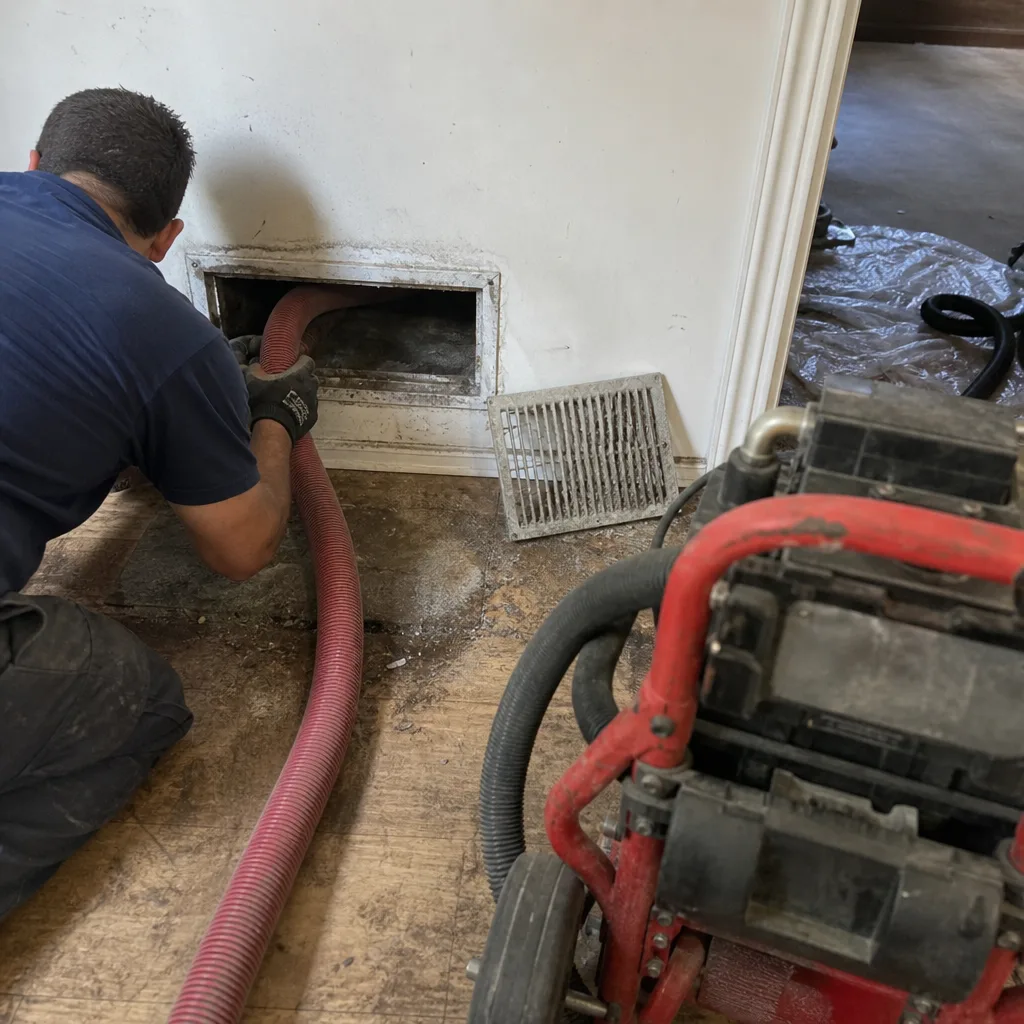
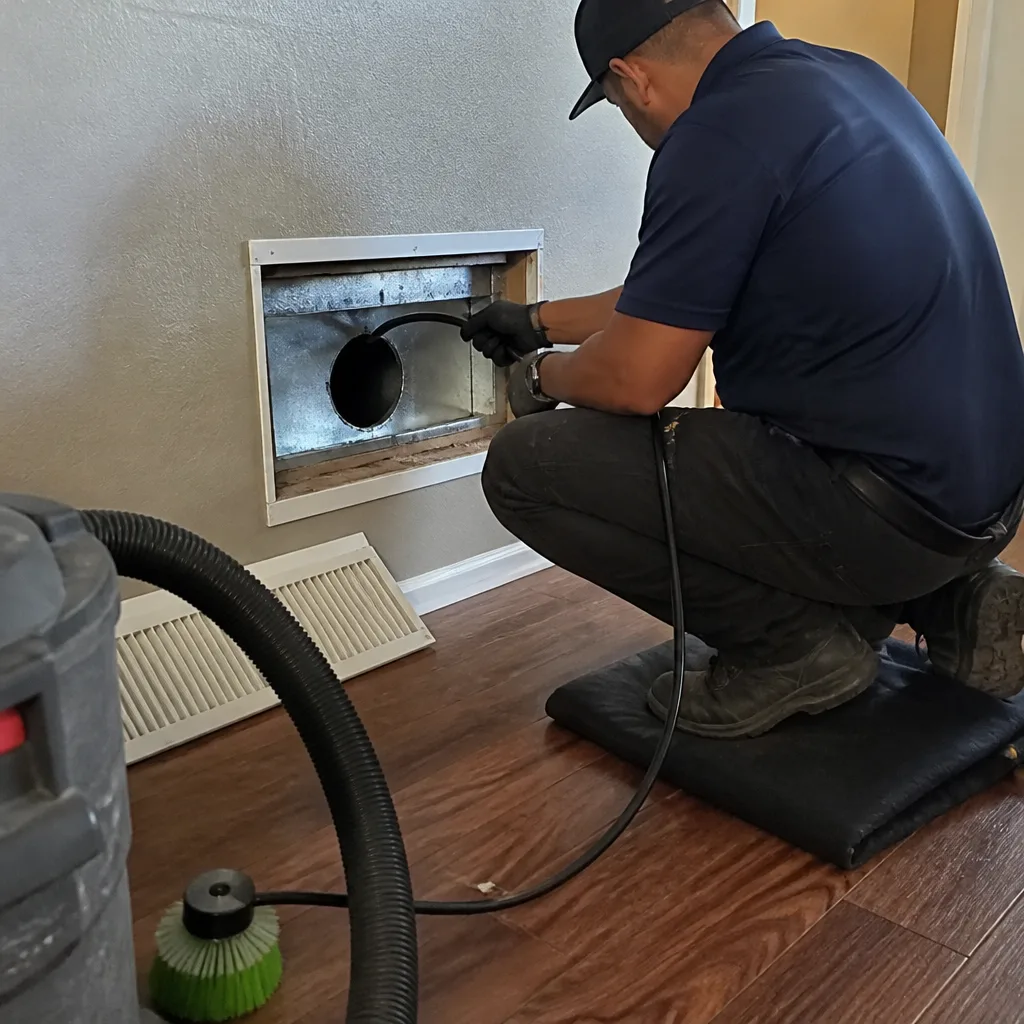
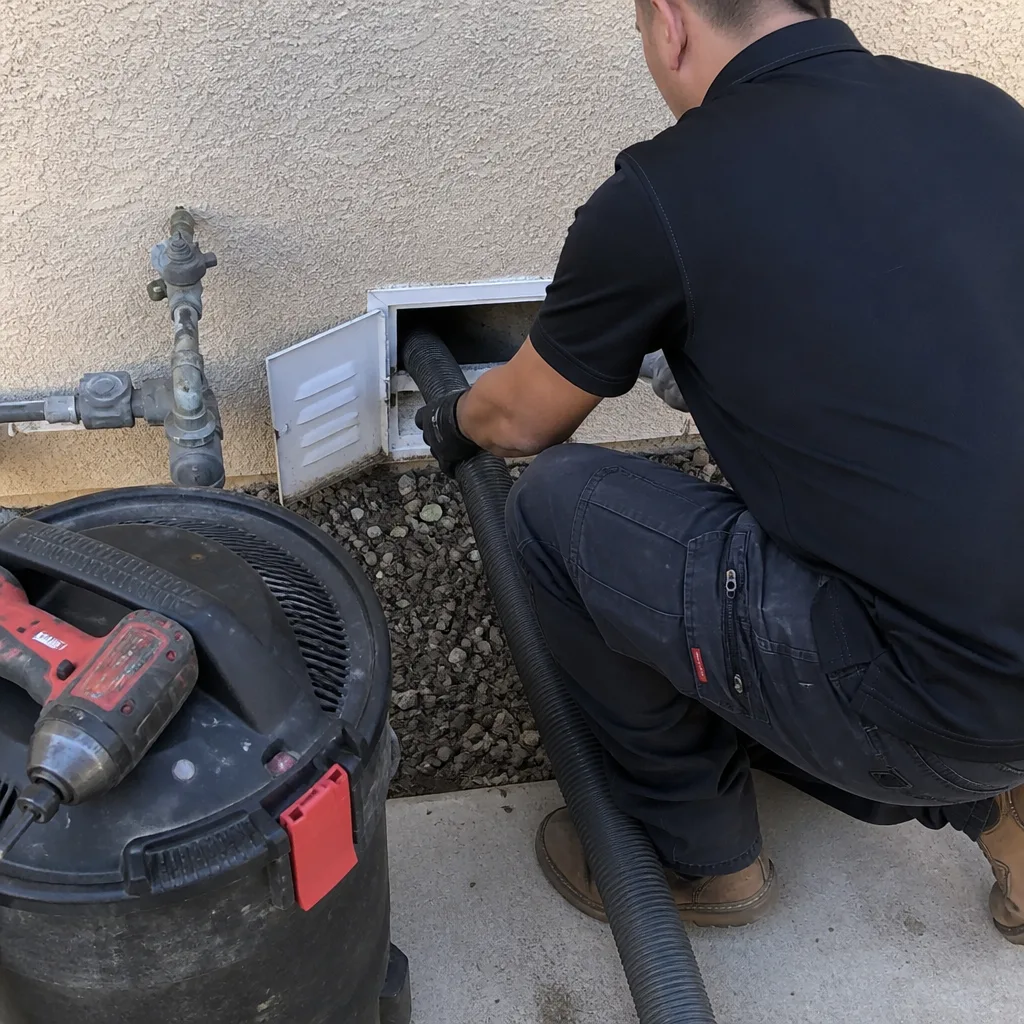
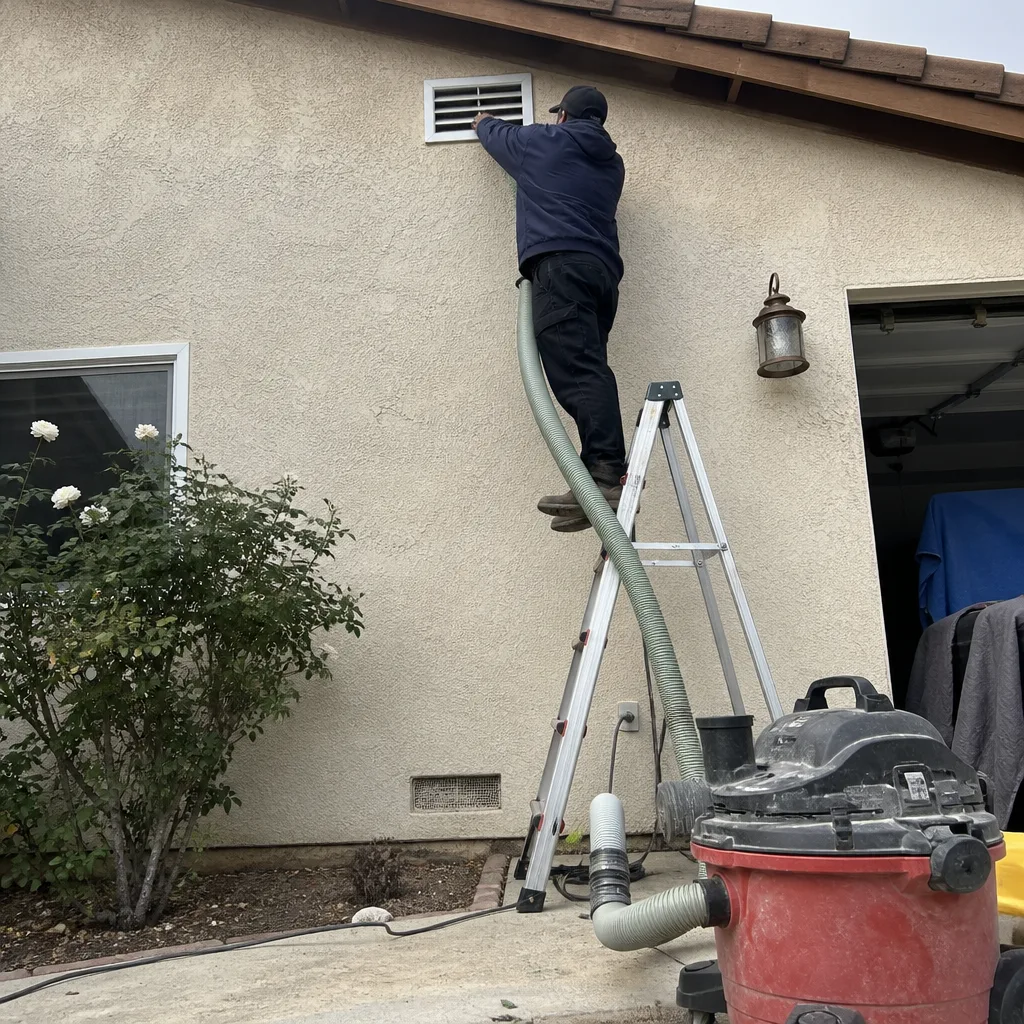
These visible signs are the reason we include a before-and-after photo of the clean-up with every job. Families should be able to see exactly what changed, not just take a technician’s word for it.
How Often Riverside Homes Really Need Duct Cleaning
The honest answer is that the interval depends on the household, not a fixed calendar. The often-quoted 3 to 5 year guideline is a starting point. Specific home factors can shorten that window significantly.
Factors that shorten the interval for Riverside homes:
- Pets that shed. A single large dog or two shedding cats can fill return ducts with hair and dander quickly. Homes with indoor pets often need cleaning every 2 to 3 years.
- Children with allergies or asthma. For families managing a child’s respiratory condition, cleaning the ducts more frequently reduces the body’s burden and often improves nighttime symptoms in bedrooms.
- Recent remodeling or construction. Drywall dust, sawdust, and insulation fibers get pulled into the return system during renovation projects, even when the crew uses plastic sheeting. Any major remodel should be followed by a duct cleaning.
- Riverside’s dust and wind patterns. The Santa Ana winds and the general dryness of the Inland Empire contribute more particulate to indoor air than coastal areas experience. Houses near open fields or construction zones accumulate dust faster.
- Previous owners’ habits. If you bought a Riverside home and don’t know when the ducts were last cleaned, the safest assumption is that they haven’t been. We meet new homeowners often whose ducts show years of accumulated pet hair from previous residents.
If you’re unsure, the warning signs in this guide are the better test than a calendar. Two or more of the smell, temperature, bill, or symptom indicators means it’s time for a professional look.
What a Proper Duct Cleaning Should Include
Not all duct cleanings are equal. A fly-by-night company can run a shop vac into a register and leave the upstream ductwork untouched. A proper job physically agitates the debris loose from the full length of the system and removes it under negative pressure.
What a complete air duct cleaning should involve:
- Pre-inspection. The technician should look at the system before starting: check the filter, inspect a register or two, and identify the main trunk lines and branches. If a company quotes a price without ever looking at the system, be cautious.
- Written price before work starts. The full price should be on paper before anyone touches a tool. No per-vent add-ons, no surprise fees at the end. We provide a written price before any work starts, every time, no exceptions.
- Source removal, not just blowing. The debris must be loosened and extracted from the system, not blown around inside it. Professional equipment from brands like Honeywell and Guardsman creates the negative pressure needed to pull debris out of the trunk and branch lines.
- Protection of the living space. Shoe covers and drop cloths should be used on every visit, and the crew should work around the household rather than through it. Quiet tools during nap hours and pet-safe product choices are part of the job, not extras.
- Verification. After the cleaning, you should be able to see the difference, and ideally, get a photo of the work performed. We photograph the clean-up before the crew leaves, so there’s no question about what was done.
For families with kids and pets, the peace of mind comes from knowing the crew treated the house the way they’d treat their own. That’s the standard the Cedarwell Care Promise exists to set.
Common Mistakes to Avoid
- Waiting for visible dust on the register. When buildup is visible at the vent cover, the upstream ductwork has been accumulating for months. The smell and temperature signs show up earlier; act on those instead.
- Assuming a cheap filter means clean ducts. The filter catches particles passing through it, but it does nothing for debris already settled in the return ducts upstream. A clean filter with dirty ducts still recirculates stale air.
- Chasing the lowest quoted price. In air duct cleaning, the lowest price often reflects the least complete work. A job that doesn’t agitate and extract the debris leaves the ducts lined with everything the cleaning was supposed to remove. Ask what the price includes and whether it’s a whole-system clean.
- Cleaning the HVAC ducts but ignoring the dryer vent. The two systems collect debris in parallel, especially with shedding pets. Cleaning one and not the other leaves a fire-risk lint accumulation in the dryer line and often leaves the laundry room smelling stale.
- Using duct cleaning as a substitute for filter changes. Regular filter changes are the maintenance habit; duct cleaning is the periodic reset. A home that runs the filter far past its life will re-foul the ducts quickly after cleaning.
- Assuming new construction means clean ducts. New homes can have construction debris in the ducts from day one: drywall dust, sawdust, paint overspray. A new-to-you home, new or old, deserves a duct inspection before the family settles in.
- Thinking one room’s temperature issue is just “how the house is.” Riverside homes vary, but a single room that’s consistently warmer or colder usually has a discoverable cause. A branch duct blockage is one of the most common and one of the most fixable.
See the difference
 Before
 After
After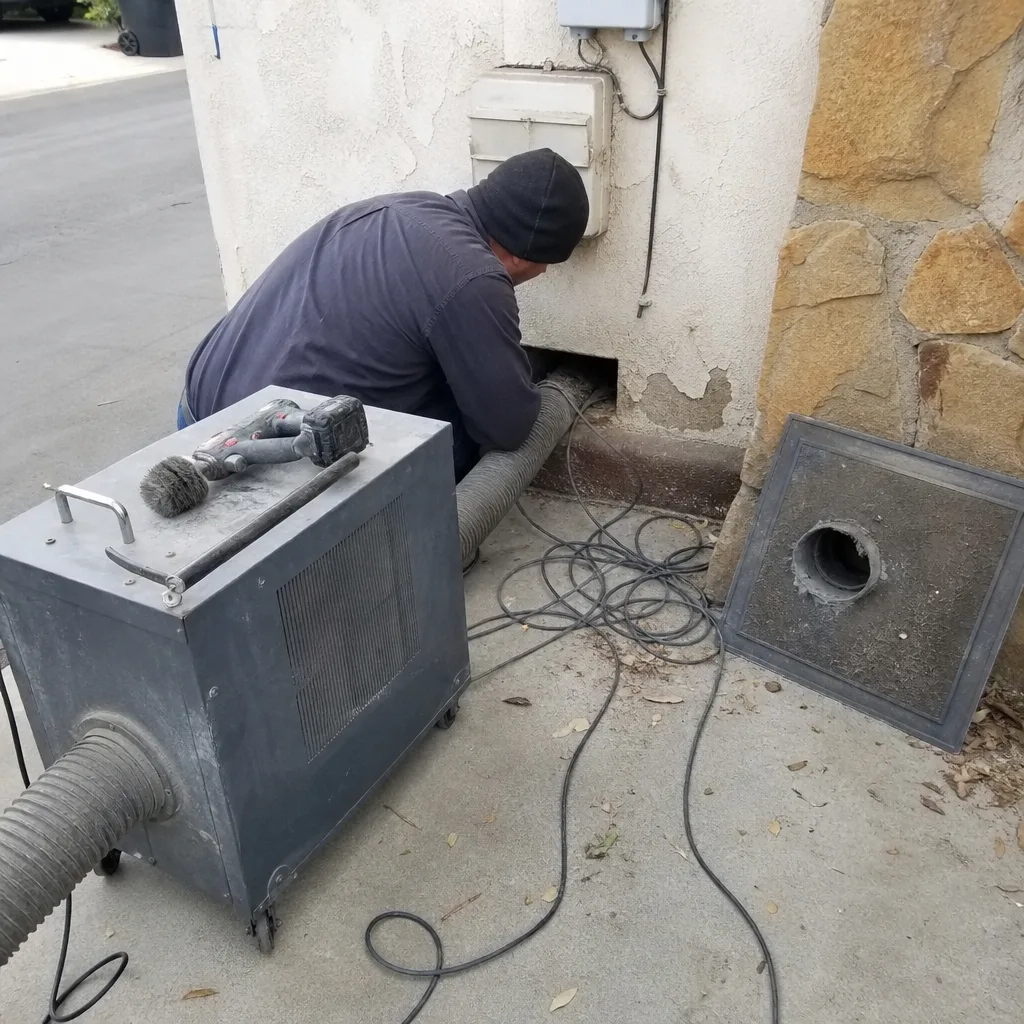 Before
 After
After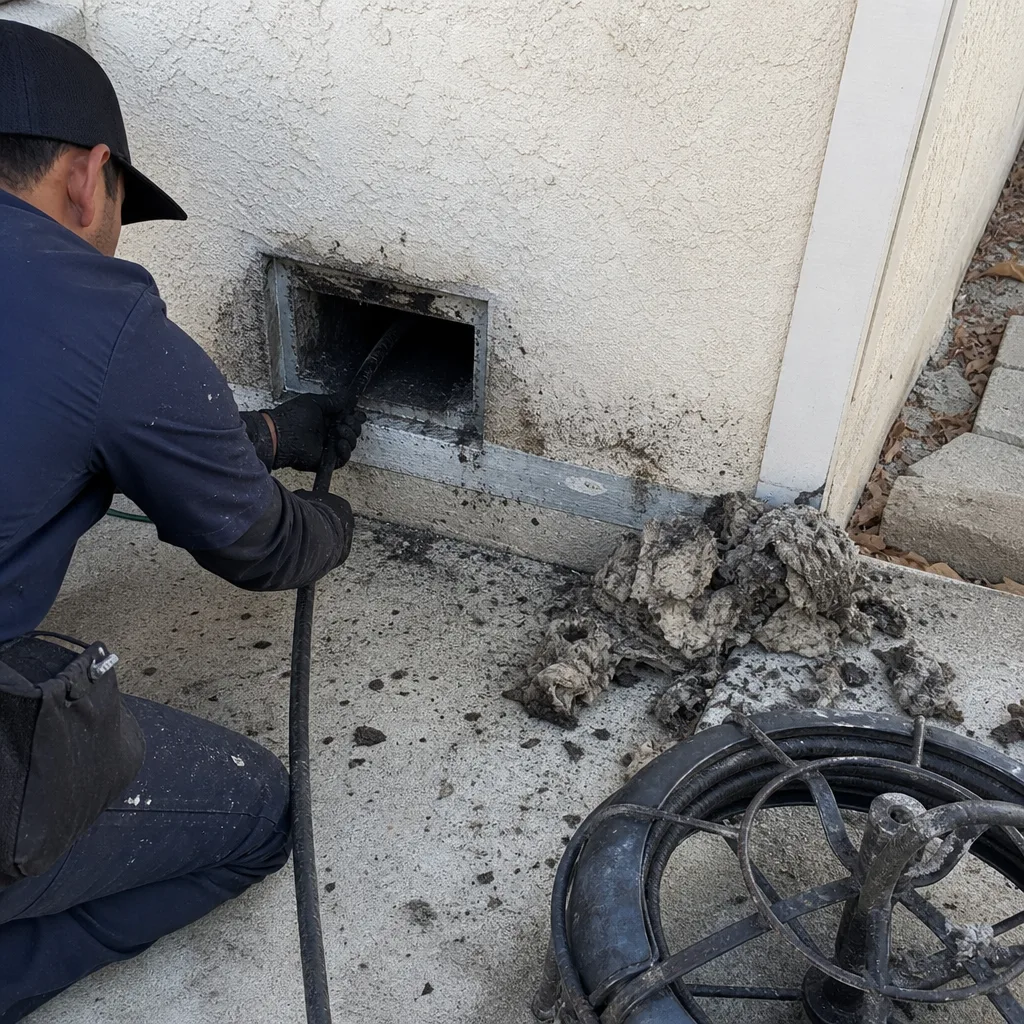 Before
 After
AfterWhen to Call a Professional
Call when you notice two or more of the warning signs in this guide at the same time: a smell that returns on startup, an energy bill creeping up, a room that won’t hold temperature, or family allergy symptoms that spike at home. Also call if you’ve never had the ducts cleaned and don’t know the home’s history, or if you just completed a remodel. A professional inspection will tell you what’s actually inside the system and what it’ll take to correct. Mortons Air Duct Riverside offers free estimates in Riverside; call (350) 240-5513 and a live person will answer, any time of day.
Frequently Asked Questions
Whole-system air duct cleaning in Riverside typically runs between $350 and $700 for an average single-family home, depending on the size of the system, the number of returns, and the degree of buildup. Larger two-story homes or systems that haven’t been cleaned in many years may run higher. Every job should come with a written price before work starts. Call (350) 240-5513 for an exact quote; estimates are free.
Cheap quotes usually reflect a partial job: a quick pass at a few registers rather than a full-system source removal. The difference between a real cleaning and a superficial one is whether the technician agitates and extracts debris from the entire trunk and branch system. When comparing quotes, ask what the price includes, whether it covers all supply and return ducts, and whether the price is written and guaranteed before work begins. Call (350) 240-5513 for a quote that covers the whole system, in writing, before anyone starts.
You should be able to see the difference in the system and, ideally, receive photographic proof. At Mortons Air Duct Riverside, every completed job includes a photo of the clean-up before the crew leaves. You should also expect the technician to walk you through what was found and what was removed. If a company won’t show you evidence of the work, that’s a reason to look elsewhere.
Most Riverside homes benefit from a cleaning every 3 to 5 years, but households with shedding pets, children with allergies, or recent remodeling often need it every 2 to 3 years. The warning signs in this guide are a better guide than a calendar: smell on startup, uneven room temperatures, rising energy bills, and home-bound allergy symptoms are the practical indicators. Call (350) 240-5513 if you’re not sure; a technician can inspect and tell you honestly whether the system needs attention.
Yes, dirty return-air ducts can contribute to allergy and asthma symptoms in children, especially when symptoms improve away from home and worsen at night in bedrooms. The return duct system can hold settled dust, pet dander, and pollen that re-suspends into the air when the fan cycles. For families managing a child’s respiratory condition, cleaning the ducts and maintaining the filter can reduce the airborne load inside the house.
No, the air filter protects the equipment and catches particles passing through the airstream, but it does nothing for debris already settled in the return ducts before the filter. A clean filter with dirty ducts still recirculates stale air and can still produce the smell and symptom patterns described in this guide. Filter changes are maintenance; duct cleaning is a periodic reset of the system.
The Bottom Line
The warning signs that matter most in a Riverside home are the quiet ones: a musty smell on startup, an energy bill that inches up against last year, a room that won’t hold temperature, and allergy symptoms that ease when the family leaves the house. None of these are dramatic on their own, which is exactly why they get ignored. Together, they paint a clear picture of ductwork that’s accumulated enough debris to affect the system and the air your family breathes. A whole-system duct cleaning with written upfront pricing, floor protection, and photographic proof is the answer, and a good company will make all three standard on every job. For more guides & resources on maintaining your home’s air quality, visit our blog.
Written by Paul Adeyemi, Owner at Mortons Air Duct Riverside, serving Riverside since 2005.